




Learn how to import a car from Europe to Canada with this expert guide. We cover age limits, shipping methods, and taxes to help you import a car from Europe to Canada.
Bringing a high-end vehicle across the Atlantic involves several legal steps and logistical choices. Many collectors and drivers choose to import a car from Europe to Canada because they want access to specific models that the North American market lacks. This process requires a clear understanding of federal laws and the various fees that apply at the border. You must coordinate with overseas sellers and domestic agencies to ensure the vehicle meets every safety standard. This guide explains the primary requirements for a successful arrival and registration.
Understanding the Age Rule for Vehicle Admissibility
The first hurdle you face when you decide to import a car from Europe to Canada is the age of the vehicle. Transport Canada maintains strict rules regarding which foreign cars can enter the country. If a vehicle is less than fifteen years old based on its manufacture date, it must typically meet Canadian Motor Vehicle Safety Standards. Most European models are not built to these specific North American specifications. Consequently, many newer cars are considered inadmissible unless they are being brought in under very specific and rare exceptions.
If your car is older than fifteen years, the process becomes much simpler. These older vehicles are exempt from federal safety requirements that apply to newer models. You do not have to register them with the Registrar of Imported Vehicles. This age exemption is why many enthusiasts choose to import a car from Europe to Canada specifically for classic or vintage models. Always verify the production month and year on the official manufacturer label before you finalize any purchase. If you attempt to bring a non-compliant car that is too young, the Canada Border Services Agency will deny entry and you will face expensive storage or export costs.
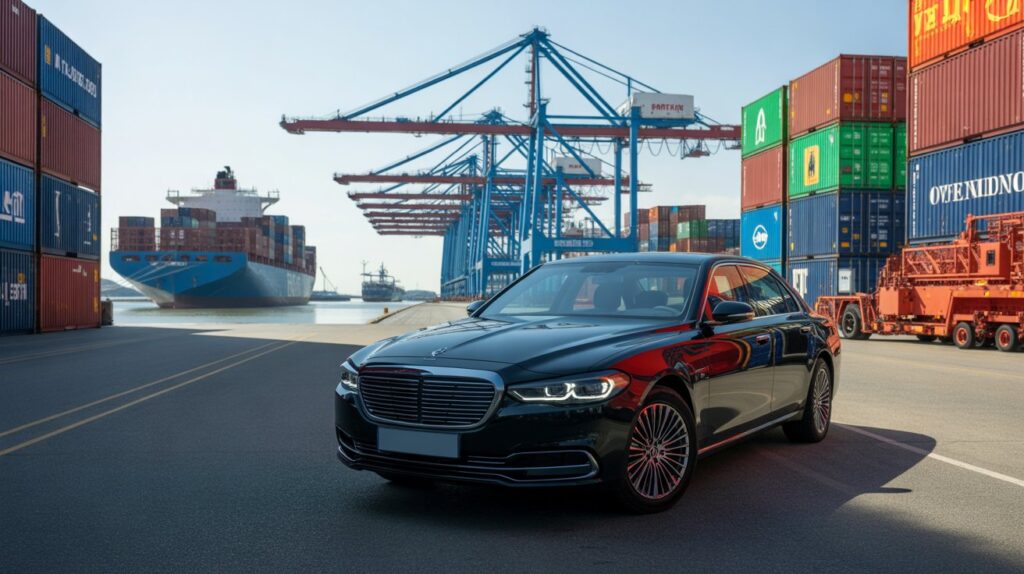
Selecting the Right Shipping Method for Your Luxury Vehicle
Once you confirm your car is admissible, you need to choose how it will travel across the ocean. Most people who import a car from Europe to Canada select either Roll-on/Roll-off shipping or container shipping. Roll-on/Roll-off is often the more affordable choice. Workers drive the vehicle onto a specialized ship and secure it to the deck. While this method is efficient, it leaves the car exposed to the air and the movements of the vessel. For a standard vehicle, this is usually sufficient, but luxury owners often prefer more protection.
Container shipping offers a higher level of security for those who import a car from Europe to Canada. Your vehicle is placed inside a steel container and locked. This protects the exterior from sea salt and potential physical contact during the journey. You can also include spare parts or personal items in the container if the shipping company allows it. While this costs more than other methods, the peace of mind is often worth the extra expense for a high-value asset. You should also purchase marine insurance to cover any unlikely damage that happens while the ship is at sea.
Clearing Customs and Paying Mandatory Fees
Arrival at a Canadian port starts the next phase of the journey. When you import a car from Europe to Canada, you must declare the vehicle to the Canada Border Services Agency immediately. You will need the original title, the bill of sale, and the bill of lading from the shipping company. The officers will inspect these documents to determine the value of the car and the taxes you owe. Expect to pay a duty of 6.1 percent if the car was manufactured outside of North America.
Beyond the basic duty, you must pay the federal Goods and Services Tax. Some vehicles also attract a Green Levy if they have high fuel consumption ratings. If the car has an air conditioning unit, a small excise tax applies as well. For those who import a car from Europe to Canada and spend a significant amount on a luxury model, the federal luxury tax might also apply to vehicles priced above a certain threshold. Paying these fees is a requirement before the government releases the vehicle to you.
Completing Provincial Registration and Safety Inspections
The final step for anyone who wants to import a car from Europe to Canada happens at the provincial level. Even if the federal government allows the car into the country, you cannot drive it until you have a local license plate and insurance. Each province has its own rules for inspections. You will likely need to take the car to a licensed mechanic for a safety standards certificate. This check ensures that the lights, brakes, and tires are in good working order.
If the car is older than fifteen years, you skip the federal RIV inspection, but the provincial safety test remains mandatory. You must provide the customs clearance papers and your proof of ownership to the provincial licensing office. Once they verify that you paid all taxes and the car is safe, they will issue your registration. This completes the effort to import a car from Europe to Canada, allowing you to enjoy your European vehicle on Canadian roads legally.